If your skin looks dull, uneven, or marked by breakouts, you may start to look for treatments that go beyond basic skin care. Many people deal with uneven skin tone, acne scars, or fine lines that do not improve with creams alone. A chemical peel offers a focused way to refresh the skin. At CHERRY HILL SPA by VOUPRE, this treatment supports renewal by removing damaged layers and helping new skin form. The result is smoother skin texture and a more even skin tone over time.
Chemical peel
A chemical peel uses a chemical solution to remove the top outer layer of the skin. When the chemical solution is applied, it triggers the skin to shed skin and renew. This process removes damaged skin cells and reveals fresh layers underneath.
Peels help with skin concerns such as uneven skin, rough skin, age spots, and sun damage. They also help treat wrinkles, improve skin appearance, and reduce enlarged pores.
The strength of the peel depends on your goals and your skin types. A consultation helps identify the most appropriate chemical peel.
Rarely, chemical peels can cause scarring. If this happens, your doctor can prescribe medication to minimize the scars.
Types of chemical peels
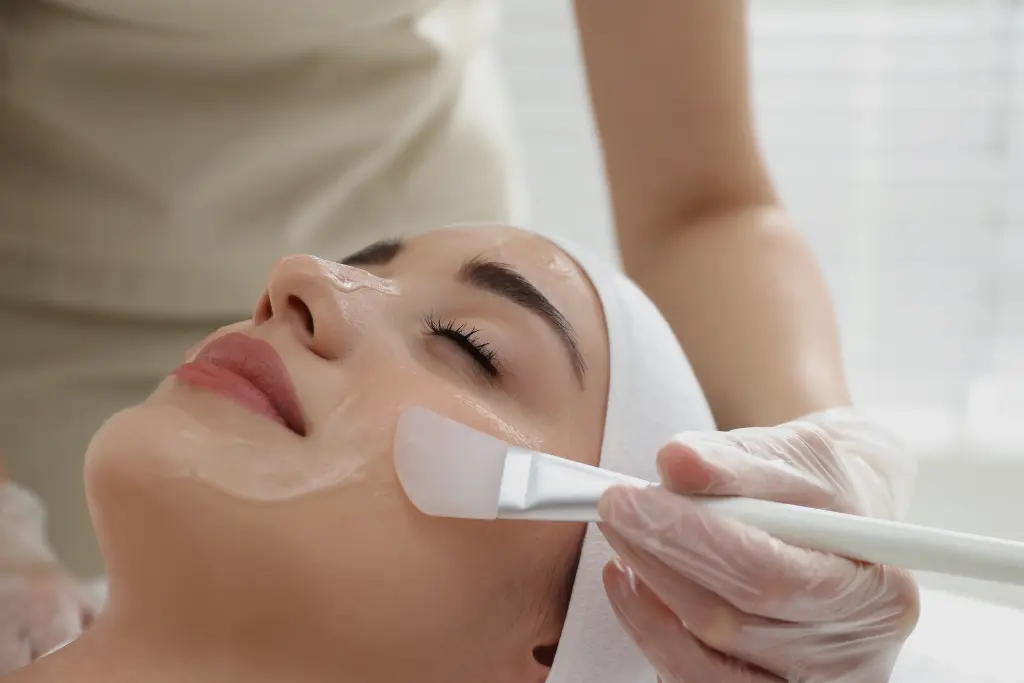
There are different types of chemical peels. These include superficial peels, medium depth chemical peels, and stronger options like a deep peel. Peels work better on female clients. Male patients often require special considerations due to their thicker skin, which can lead to less predictable peeling outcomes.
Each type targets a different depth of the skin. Some work on the surface. Others reach the middle layer or deeper layers for more visible results.
Common ingredients include alpha hydroxy acids, beta hydroxy acid, glycolic acid, lactic acid, and stronger agents like trichloroacetic acid or carbolic acid.
If you had a medium chemical peel, you’ll be given a cool compress to soothe your skin, and your provider may apply an ointment to your treated skin. Deep chemical peels are covered with surgical gauze.
Apply a daily moisturizer, as directed, to keep your skin moist to prevent scarring.
Light chemical peel
A light chemical peel, also called a light peel, works on the surface layer. It helps improve mild skin discoloration, uneven skin tone, and early fine lines.
This peel often uses glycolic acid, lactic acid, or other alpha hydroxy acids. It gently removes the top layer of the skin.
The recovery is short. The skin heals within a few days. You may notice slight dryness or flaking as the skin starts to eventually peel.
This type of peel suits people who want gradual improvement with minimal downtime. Peels may be repeated to maintain results.
Medium chemical Peel
A medium chemical peel goes deeper into the skin. It targets acne scars, uneven skin, and visible lines and wrinkles.
Medium depth peels often use trichloroacetic acid (TCA peels) or salicylic acid. It reaches the middle layer and removes damaged skin. You will be more sensitive to sunlight for 4-6 weeks after TCA peel, so you should avoid sun exposure for 4-6 weeks or use at least 50 SPF when you can’t.
After treatment, the skin may show redness and mild skin crusts. Recovery takes about up to eight weeks for full renewal, though visible healing begins sooner.
This option is effective for moderate skin conditions and more defined changes in skin texture.
Salicylic acid
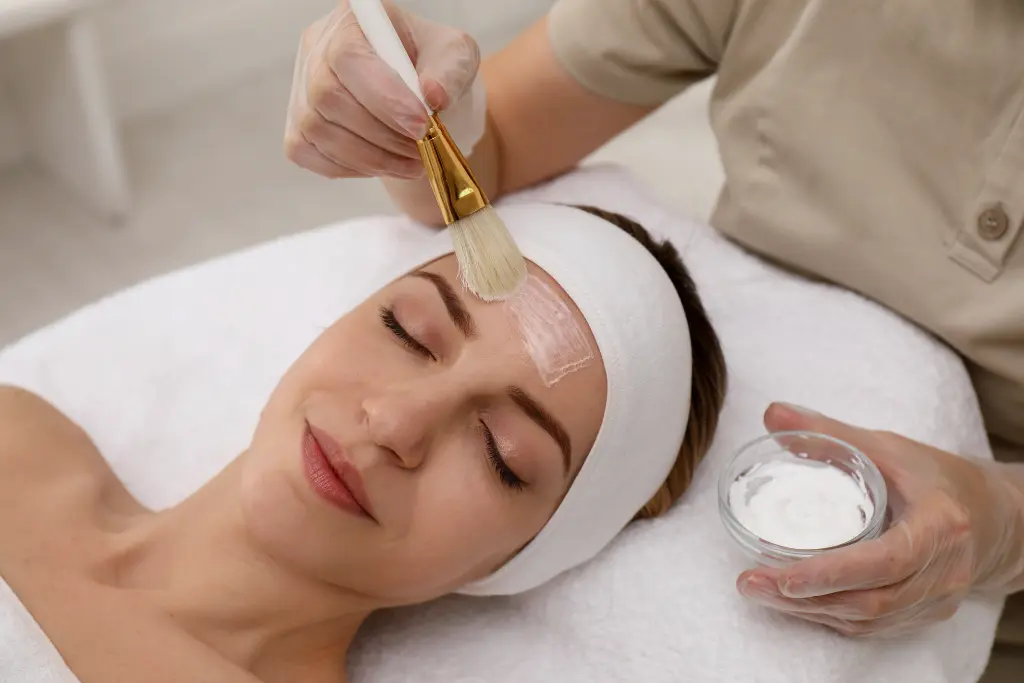
Peels with salicylic acid are useful for oily skin and breakouts. This beta hydroxy acid helps clear pores and reduce acne scars.
It also supports smoother texture and reduces oil buildup. Some clients may combine this treatment with oral acne medication or adjust factors like taking birth control pills for better results.
This peel is often chosen for active acne and congested skin.
Deep chemical peel
A deep chemical peel is the most intensive option. It targets deep wrinkles, deep scars, and advanced sun damage. Deep chemical peels extend their effects into the mid-reticular dermis, rendering them valuable for addressing more profound issues such as severe acne scars and deep wrinkles.
This peel uses strong agents such as carbolic acid. It penetrates deeper layers of the skin. It can also help treat precancerous skin growths like actinic keratosis.
Recovery takes longer. The skin may show redness and sensitivity. There is also a risk of temporary or permanent change in skin color.
This option is often recommended after careful review by a trained provider or a dermatologic surgeon.
Skin types
Choosing the right peel depends on your skin types. Not every peel suits every person.
Factors include:
- Thickness of the skin
- Current skin conditions
- Past reactions
- Use of products like retinoic acid
A proper review ensures safe and effective treatment.
Sensitive skin
Clients with sensitive skin need a careful approach. A light peel is often the best starting point.
Stronger treatments may cause irritation or uneven healing. A provider may suggest mild options and guide you on aftercare.
It is also important to mention any history of cold sores. In some cases, antiviral medication may be needed before treatment.
Darker skin tones
People with darker skin tones may have a higher risk of post inflammatory hyperpigmentation. This can lead to uneven color after treatment.
A careful plan helps reduce this risk. The right peel type and strength matter. Avoiding direct sun exposure and following aftercare steps are essential.
Your provider will guide you to the safest option.
Skin care before and after
Good skin care supports better results. Before treatment, avoid harsh products and protect your skin from sun exposure.
After the peel:
- Keep the skin clean
- Use a thick moisturizer
- Avoid picking or touching peeling skin
- Avoid direct sun exposure
You may need to wait before you wear makeup. This allows the skin to heal fully.
What to expect during the session
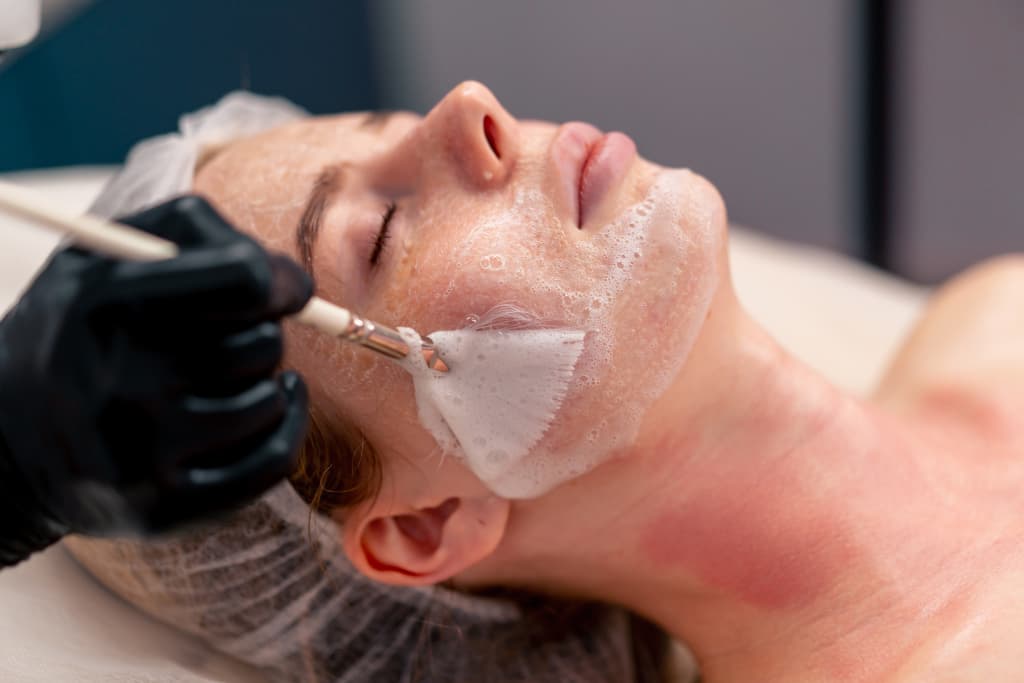
During the session, the skin is cleansed. Then the chemical solution is applied.
You may feel mild warmth or tingling. The session is short and controlled. After the treatment, the skin will begin to shed skin over the next few days.
The process reveals new skin with improved tone and texture.
Who is it for
A chemical peel is suitable for many concerns, including:
- Uneven skin tone
- Acne scars
- Fine lines
- Sun damage
- Rough skin
It is not suitable for everyone. A consultation helps determine if it fits your needs and goals.
Why Choose Cherry Hill Spa?
CHERRY HILL SPA by VOUPRE offers a refined approach to skincare. The focus is on balance, renewal, and long-term care.
The spa follows a European-inspired philosophy. Treatments support natural skin renewal. Advanced tools and techniques are used with care.
Trained professionals assess your medical history, skin types, and concerns. Each treatment is tailored.
As a trusted MEDICAL SPA IN CHERRY HILL NJ, the spa provides a calm space where clients can relax and focus on their skin journey.
Conclusion
The most effective chemical peel depends on your skin and your goals. A light chemical peel works for surface concerns. A medium chemical peel treats deeper issues. A deep chemical peel targets advanced signs.
With the right plan, you can improve skin texture, tone, and overall appearance. A professional consultation ensures safe and lasting results.
FAQs
What is the best type of chemical peel?
The best type of peel depends on your skin. A light peel suits mild concerns. A medium chemical peel works for deeper issues. A deep chemical peel is used for advanced cases.
How many sessions are needed?
Some results appear after one session. For ongoing concerns, peels may be repeated over time.
Is a chemical peel safe for all skin types?
Most skin types can benefit from peels. However, those with sensitive skin or darker skin tones need a tailored approach.
How long does it take for skin to heal?
Healing depends on the peel. Light peels take a few days. Medium peels take longer. Deep peels require more recovery time.
Can chemical peels treat acne scars?
Yes. Peels help reduce acne scars and improve overall skin texture over time.
Reveal Smoother Skin Today
Ready to improve your skin with expert care? Visit CHERRY HILL SPA by VOUPRE and discover the right treatment for your needs.
Book your consultation today and begin your journey to healthier, refreshed skin.